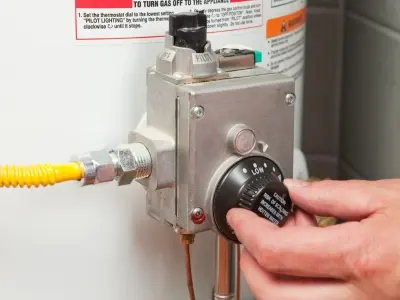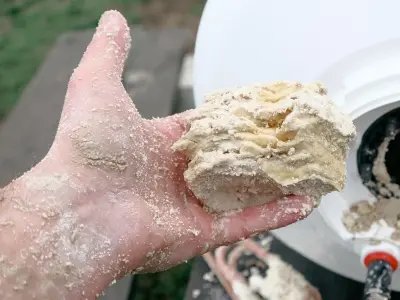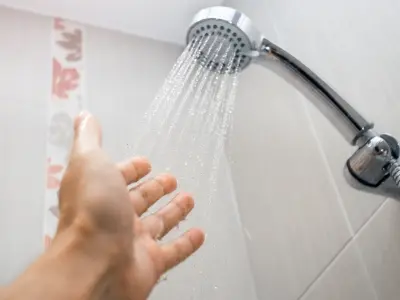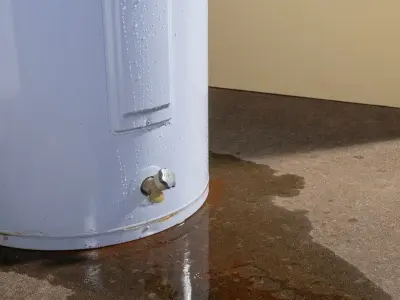

The Benefits of Upgrading to Commercial Tankless Water Heaters

Why Go Tankless for Commercial Properties?

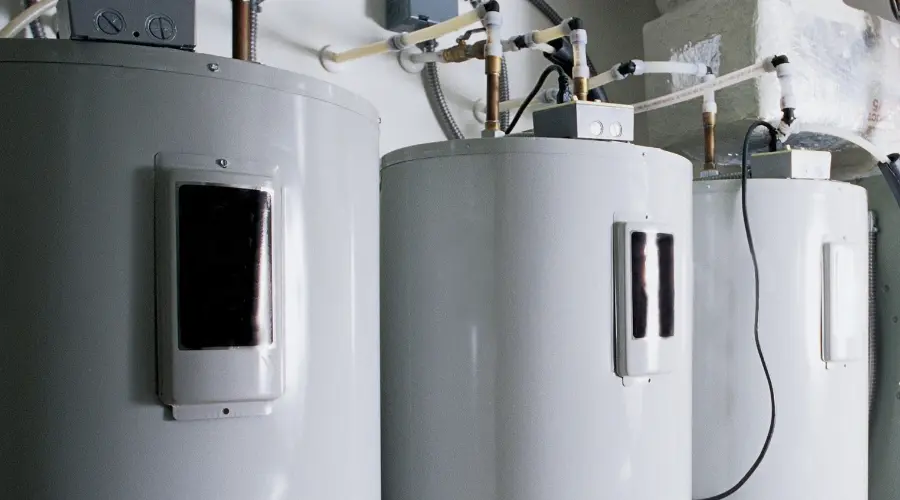
In many commercial properties, a reliable supply of hot water is more than just a convenience; it is a critical component of daily operations. Whether it’s a restaurant that requires hot water for dishwashing, a hotel that requires hot water for laundry and showers for many guests, or an industrial facility with specialized processes that need hot water, the efficiency of a water-heating system directly impacts the bottom line.

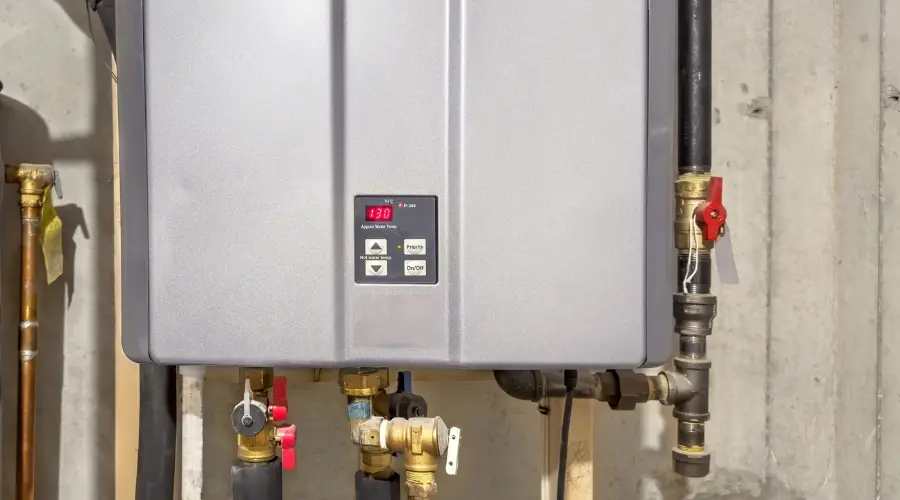
As business and commercial property owners seek to optimize utility use and reduce overhead, the shift toward commercial tankless water heaters has become increasingly prevalent. These instantaneous water heaters have several advantages over traditional storage-tank water heaters, offering superior performance tailored to the high-demand environments of commercial settings.

Superior Energy Efficiency and Reduced Utility Costs

utility cost savings One advantage of a commercial tankless water heater is its exceptional energy efficiency. Traditional storage-tank systems operate by continuously heating a large volume of water to maintain a set temperature, regardless of whether there is an active demand. This process results in standby heat loss, where energy is wasted as heat naturally dissipates through the tank walls and venting.

In contrast, a tankless system only activates when hot water is needed. By heating water as it flows through the unit, these systems eliminate standby heat loss, resulting in more energy-efficient performance and lower monthly operating costs.

Continuous Hot Water Supply for Uninterrupted Operations

In a commercial environment, running out of hot water can lead to immediate operational delays or even temporary closures. Storage water heaters are limited by the volume of water that their tanks hold, and once that reservoir is depleted, the business must wait for the tank to refill and reheat.

Tankless water heaters remove this constraint by providing an endless supply of hot water on demand. Because the water is heated as it passes through the system, the supply is constant and cannot be exhausted. This ensures that high-traffic businesses and processes that rely on hot water have the necessary supply precisely when it is required, maintaining seamless productivity.

Extended Service Life and Critical Space Optimization

saves space Upgrading to a tankless water heater is also an investment in the longevity of the water heating system. While a typical commercial storage water heater may require replacement every 8 to 12 years, tankless models are designed for longevity, often providing reliable service for 20 years with proper maintenance. This extended lifespan reduces the frequency of costly water heater replacements and minimizes disruption to the business.
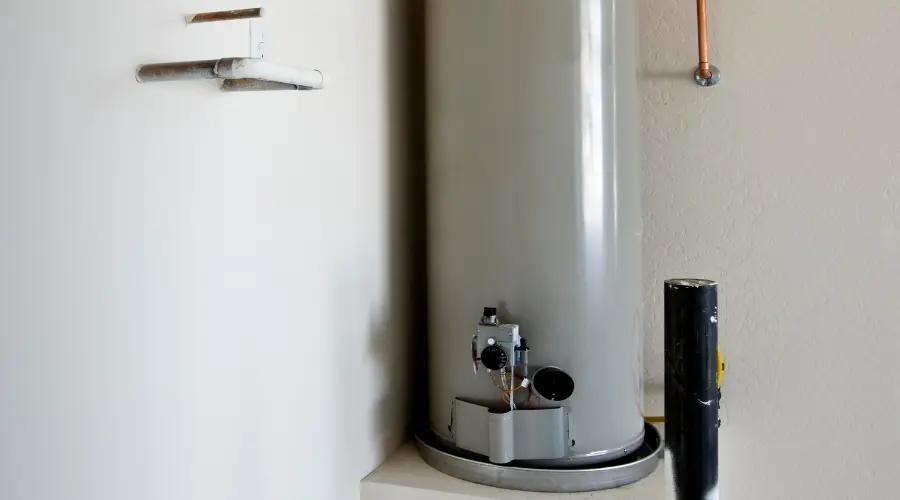
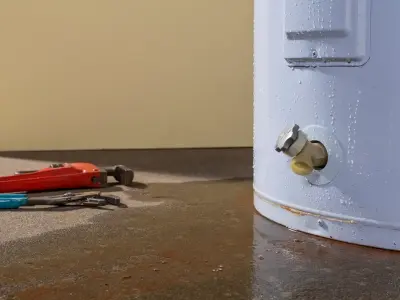
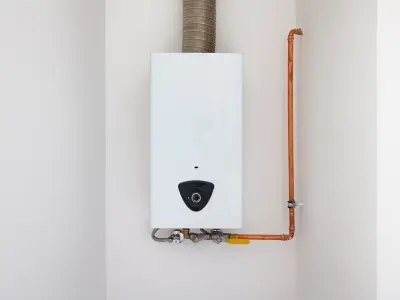
Furthermore, tankless units offer significant space-saving benefits. Traditional commercial water heaters are bulky, floor-standing units that consume valuable real estate. Tankless water heaters are compact and can be wall-mounted, allowing them to be installed in tight spaces and businesses to reclaim space that would otherwise be dedicated to a large storage tank.

About Water Heaters Only, Inc.

Water Heaters Only, Inc. is a residential and commercial water heater company founded in 1968, serving the Phoenix community. They provide the lowest prices, on-time service, and same-day service. Call for commercial tankless water heater installation in Phoenix, AZ.

Signs to Replace a Water Heater

When Is Water Heater Replacement Needed?

Some homeowners do not consider replacing their water heater until it fails completely, but ignoring early warning signs that replacement is needed can lead to cold showers and expensive water damage from leaks. By recognizing the indicators early, homeowners can schedule a water heater replacement and avoid the inconvenience, stress, and discomfort of a sudden breakdown that leaves the household without hot water. This post outlines common signs that it’s time to replace a water heater and get a new water heater installation.

Persistent Temperature and Supply Issues

One obvious sign that a water heater may be nearing the end of its service life and needs replacement is inconsistent water temperature or a lack of hot water. Residents may notice cold water during their showers or find that the hot water supply depletes much faster than it used to.

These water heating issues can stem from several factors, some of which may require only a water heater repair or maintenance, so having a professional inspect the unit to determine the cause is important for identifying the best solution to restore sufficient hot water to the house.

Leaks and Signs of Corrosion

leaking water heater Visible corrosion on the exterior of the tank, rust-colored hot water appearing at fixtures, and hot water with a metallic smell or taste are critical red flags signaling the need for water heater replacement. Corrosion compromises the structural integrity of the water-heating unit, increasing the risk of rupture or leak and the resulting water damage.

If people notice water pooling around the base of the water heater or see a visible leak, it also indicates that the internal tank lining has corroded and that a water heater replacement is needed. Installing a new water heater is a safe, long-term solution to protect the home from water damage.

Old Age or Frequent Repairs

frequent water heater repair Traditional storage water heaters generally have a lifespan of about 10 to 15 years, while tankless water heaters last about 20 years. So, if an existing storage-tank water heater is over 10 years old or a tankless unit is over 20 years old, it may be time for a replacement, especially if it begins to have ongoing problems. A water heater that requires frequent repairs should also be replaced, as the cumulative cost of these service calls can exceed the cost of installing a new, more energy-efficient water heater.
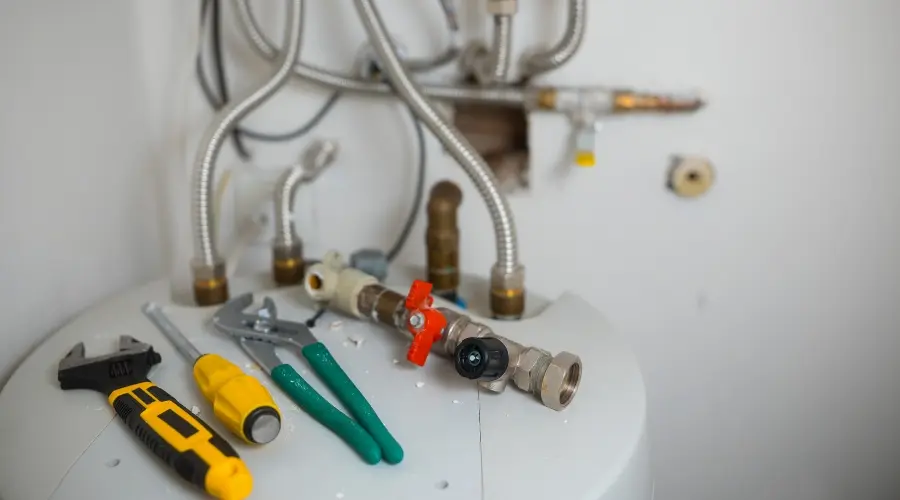
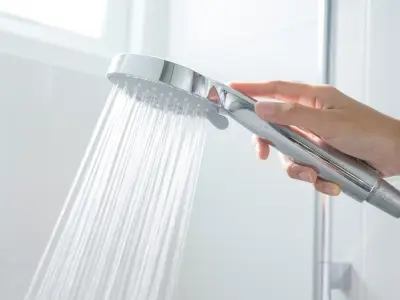
Aging water heaters also become significantly less efficient over time, leading to higher monthly utility bills. Replacing an old, inefficient water heater with a modern, high-efficiency model can lower ongoing water heater expenses and provide more consistent, reliable performance for years to come.

About Water Heaters Only, Inc.

Water Heaters Only, Inc. is a full-service water heater company founded in 1968 that serves the Sacramento community. They provide upfront pricing, emergency service, and same-day service. Call for water heater replacement in Sacramento, CA.

Signs a Water Heater Needs Professional Repair

When to Call for Water Heater Repair

A functional water heater is fundamental for households, providing the hot water necessary for daily tasks like showering, cleaning, and laundry. When the unit begins exhibiting irregularities, it is crucial to address the issues promptly with a professional water heater inspection and repair.

Ignoring early warning signs of a faulty water heater can lead to escalating water heater damage, increased utility costs, and discomfort from losing hot water. Taking swift action prevents minor problems from developing into catastrophic system failures that leave the household without hot water or necessitate a premature, expensive water heater replacement. This guide will share common warning signs that indicate the need for water heater repair.

Fluctuations in Water Temperature and Supply

cold shower One of the most obvious signs of a problem with the water heater, and a need for professional inspection and repair, is a lack of hot water or an inconsistent hot water supply. People may notice the shower turns cold much more quickly than it used to, or there may be no hot water at all.

These water-heating issues can be caused by various factors, such as a malfunctioning thermostat, a faulty heating element, or significant sediment buildup in the tank, which makes it important to call a professional to inspect the unit, determine the cause, and fix it to restore hot water.

Unusual Noises From the Tank

Strange or loud sounds coming from the water heater can be clear signals that the water heater requires attention. These unusual noises may sound like rumbling, popping, or banging. Often, these noises point to sediment accumulation at the bottom of the tank. When sediment builds up, it reduces the unit’s energy efficiency, leading to higher water heating costs. This buildup of sediment around the heating elements can also cause water temperature problems and damage the unit if it is not properly flushed and maintained.

An Unexpected Spike in Utility Bills

If homeowners notice a sudden, unexplained spike in their monthly utility bill, it could be due to the water heater struggling to perform efficiently. These higher water heating costs indicate that the unit is consuming more energy to heat the water. One possible culprit is sediment and mineral accumulation in the tank, which needs to be drained and flushed.

However, several issues can lead to inefficiency and higher utility bills, so a professional inspection can identify the cause and address problems like excessive sediment or a faulty thermostat to restore energy-efficient performance and lower future water-heating costs.

Changes in Water Appearance, Odor, or Taste

Any noticeable changes in the quality of hot water should prompt an immediate inspection. Cloudy or discolored hot water, which may appear rusty, often indicates sediment or corrosion inside the unit. Additionally, hot water with a strange metallic odor or an unpleasant taste can be a sign of internal issues, such as corrosion, that require professional diagnosis and repair, or even replacement, to ensure the safety and reliability of the water supply.

Visible Moisture or Leaks

leaking water heater Any evidence of water leakage or moisture around the base of the water heater or its connections is a serious concern. While a minor drip near a connection may be fixable, persistent leaks from the tank body itself can cause extensive property damage if left unaddressed. A professional can determine whether the leak is a simple repair or a sign of a compromised and corroded tank, necessitating a water heater replacement.
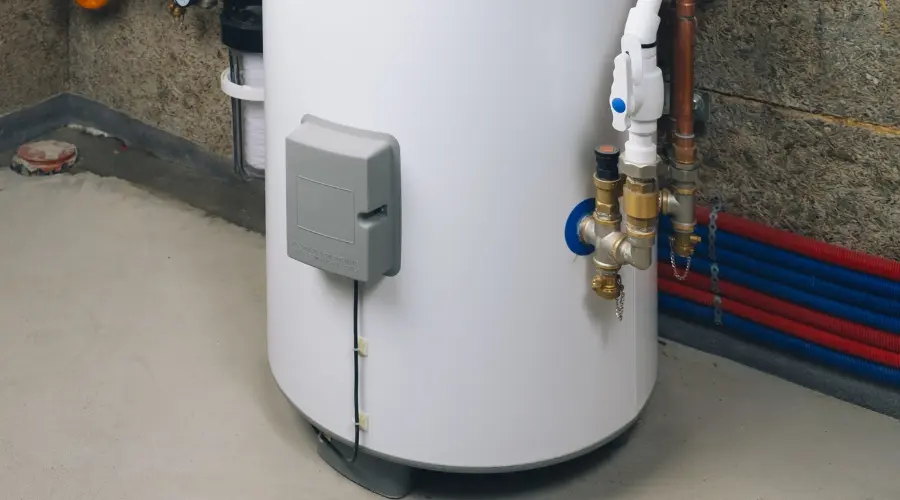
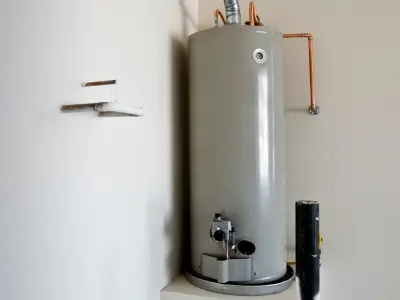
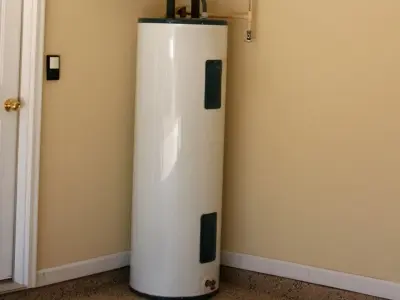
About Water Heaters Only, Inc.

Water Heaters Only, Inc. is a residential and commercial water heater company serving the San Diego community. They provide quick, friendly service, upfront pricing, and the lowest prices. Call for water heater repair services in San Diego, CA.

Information to Help Choose Between an Electric or Gas Water Heater

Electric vs. Gas Water Heaters

Selecting the right water heater is an important decision for any property owner, as it directly affects upfront installation costs, monthly utility bills, and performance. Homeowners can evaluate their specific hot water demands alongside their home’s existing infrastructure to determine which fuel source best suits their household. Understanding the benefits of gas and electric water heaters, and the factors that can influence which to install, ensures a well-informed investment that provides reliable hot water for years to come.

The Benefits of Installing a Gas Water Heater

gas water heaterGas water heaters are a popular choice for households with a high demand for hot water due to several operational advantages:

  • Cost Efficiency: In many regions, natural gas is less expensive than electricity, leading to lower monthly operating costs and long-term energy savings.
  • Rapid Heating and Recovery: Gas burners heat water faster than electric elements. This high recovery rate ensures a consistent supply of hot water for large households with back-to-back usage.
  • Power Outage Resilience: Unlike electric models, many gas water heaters with standing pilots can continue to operate during a power outage, providing hot water even when electricity is out.
  • High Capacity Support: Their ability to replenish hot water quickly makes them ideal for properties with multiple bathrooms or heavy laundry needs.

The Benefits of Installing an Electric Water Heater

electric water heaterElectric water heaters also offer several advantages over their gas counterparts, including:

  • Affordable Upfront Costs: These units generally have lower initial purchase and installation costs than gas models.
  • Simplified Installation: Because they do not require complex venting systems or gas lines, electric units can be installed more easily and in a wider variety of locations within the home.
  • Enhanced Safety: Electric water heating systems eliminate risks associated with combustion, such as gas leaks, carbon monoxide poisoning, or explosions.

Factors That May Influence the Installation Decision

When choosing between installing an electric or gas water heater, several factors to consider include:

  • Existing Infrastructure: The presence of gas hookups and proper venting can make replacing an existing gas unit straightforward. However, adding gas infrastructure involves a more time-consuming and expensive installation.
  • Local Utility Rates: Homeowners should compare natural gas and electricity prices in their area, as these rates can help determine which system will be more economical over its lifespan.
  • Grid Reliability: For homes in areas prone to frequent or prolonged power outages, the independence of a gas system offers a significant advantage for maintaining essential routines.
  • Household Size and Usage Patterns: Larger families often prioritize the fast recovery times of gas units, while smaller households may find the lower installation cost and safety of electric models more beneficial.
  • Personal Safety Priorities: For those deeply concerned about the hazards of gas models, an electric system provides peace of mind.

About Water Heaters Only, Inc.

Water Heaters Only, Inc. is a full-service water heater company serving the San Francisco community. They provide quick service, the lowest prices, and trusted technicians. Call for water heater installation in San Francisco, CA.

Hot Water Recirculation Pumps and the Benefits of Installing Them Explained

Why Install a Hot Water Recirculating System?

Hot water is a modern necessity, yet the time spent waiting for it to reach faucets and fixtures can be a daily frustration and a significant source of wasted water. Fortunately, an innovative solution exists that can transform daily routines and conserve resources: a hot water heater recirculation pump. This guide will explore what a hot water recirculating system is, its advantages, and the signs that a hot water recirculation pump installation is needed.

How Does a Hot Water Recirculation Pump Work?

A hot water recirculation system is designed to provide instant hot water at the tap, eliminating the wasteful wait time for hot water. This is achieved by installing a small pump near the water heater or at the furthest fixture from the heater.

The pump operates continuously or on a timer/demand basis, circulating a small amount of hot water from the water heater through the home’s plumbing and then back to the heater. This circulation maintains a ready supply of hot water in the pipes leading to fixtures. Instead of letting the cold water in the pipes run down the drain while waiting for hot water, the recirculating pump pushes that cooler water back to the water heater to be reheated, closing the loop.

Benefits of Installing a Hot Water Recirculating Pump

instant hot water The advantages of adding a hot water heater recirculating pump to the home are substantial, combining convenience with savings:

  • Instant Hot Water: The most obvious benefit is the immediate availability of hot water. No more standing by the sink or shower, waiting for the pipes to clear of cold water.
  • Water Conservation: By eliminating the need to run the tap until the water warms up, these systems drastically reduce water waste. For large homes or those with long pipe runs, this can translate into significant savings on monthly water bills.
  • Energy Efficiency: While the pump uses a small amount of electricity and there is some heat loss in the pipes, modern systems often feature timers and controls that ensure the pump runs only when necessary, maximizing efficiency and minimizing the energy required to keep the water warm.

When to Install a Hot Water Recirculation System

long wait time for hot water While any home can benefit from a hot water recirculating system, there are specific situations and signs that installing one would be particularly advantageous:

  • Long Wait Times: If a household has long wait times for hot water or just wants more immediate hot water, a hot water recirculation pump is a great solution.
  • Large or Sprawling Homes: In houses where the water heater is located far from the kitchen, bathroom, or other frequently used fixtures, the wait time for hot water can be excessive. Installing a hot water recirculating pump is an ideal solution here.
  • Multi-Story Residences: Homes with long vertical pipe runs often benefit as well, ensuring hot water is readily available on upper floors without long delays.
  • Households Focused on Water Conservation: For homeowners who prioritize reducing water usage and saving on water costs or homes in areas with regular droughts, a recirculation pump is a highly effective tool.
  • During Water Heater Replacement: This is often the most cost-effective time to install the system, as a professional is already working on the water heater infrastructure.

About Water Heaters Only, Inc.

Water Heaters Only, Inc. is a trusted, residential and commercial water heater company serving the Phoenix area. They provide straightforward pricing, on-time service, and financing. Call them for hot water recirculating pump installation in Phoenix, AZ.

A Guide to Heat Pump Water Heaters

What Sets Heat Pump Water Heaters Apart?

Homeowners looking for a smart, sustainable way to manage their home’s hot water needs are increasingly turning to heat pump water heaters. This guide will explain how these innovative systems work, the key benefits of installing a heat pump water heater, and signs that indicate it needs professional service.

What Is a Heat Pump Water Heater?

A heat pump water heater is a highly efficient water heating unit that uses electricity. Unlike traditional electric water heaters, which generate heat directly, the heat pump water heater works much like a refrigerator in reverse, using electricity to move heat from the surrounding air to heat the water.

This process of using electricity to transfer heat from the surrounding air to the water, rather than using energy as a fuel, makes them more energy-efficient than conventional water heaters. They require professional installation in an unconditioned space that remains in a specific temperature range, such as a garage or basement, to ensure there is enough ambient heat to draw from.

Benefits of Heat Pump Water Heaters

energy savings Installing a heat pump water heater offers numerous advantages, including:

  • Energy efficiency and savings: Because they move heat rather than create it, they are more energy-efficient and use less electricity, leading to substantial savings on monthly energy bills.
  • Consistent hot water: Heat pump water heater systems can provide a reliable supply of hot water and are ideal for households with higher hot water demands.
  • Dehumidification and cooling: As the unit is operating, it naturally dehumidifies by condensing moisture, which can make the home feel more comfortable and cooler, allowing people to raise the thermostat temperature and lower cooling costs without sacrificing comfort.
  • Safety: Because heat pump water heaters use electricity, they avoid the gas leak and carbon monoxide risks associated with gas water heaters.

Signs a Heat Pump Water Heater Needs Service

leaking water heaterKnowing the signs of trouble can help people address issues quickly by calling for heat pump water heater repair or replacement. Signs that a heat pump water heater needs professional attention include:

  • Decreased hot water supply: If hot water runs out faster than usual or there are other issues with water temperature and the system isn’t meeting a household’s hot water needs, it’s time to call a professional.
  • Unusual noises: Loud and strange sounds from the unit can indicate problems that require professional inspection and repair.
  • Error codes: Most modern units have digital displays. Any error code or warning is a clear signal to consult a technician.
  • Water leaking: Any standing water around the base of the unit that indicates a leak, or any visible leak, requires immediate attention.
  • High energy bills: If the unit is operating inefficiently and costing more to operate, it signals a problem, and a professional should be called to inspect the water heater.

About Water Heaters Only, Inc.

Water Heaters Only, Inc. is a full-service water heater company that was founded over five decades ago and serves the Sacramento area. They provide upfront pricing, emergency service, and same-day service. Call them for heat pump water heater installation and repair services in Sacramento, CA.

The Importance of Water Heater Maintenance

What Is Done During Water Heater Maintenance and Its Benefits Explained

Water heaters are essential appliances that are often tucked away and forgotten, yet they work tirelessly to provide the household with hot water. Neglecting their upkeep and maintenance, however, can lead to diminished performance, inflated utility bills, and premature system failure. This blog post discusses water heater maintenance, including essential maintenance tasks, the benefits of regular maintenance, and how often it’s needed.

Essential Maintenance Tasks

replace the anode rodWater heater maintenance involves several crucial tasks designed to extend the unit’s lifespan and ensure safe, efficient operation. One of the most important steps is draining and flushing the tank to remove sediment buildup. Over time, minerals and sediment in the water settle at the bottom of the tank, which can diminish efficiency, cause temperature fluctuations, and potentially damage the unit. Regular flushing and draining clear this sediment, restoring efficiency and preventing costly repairs.

Another vital task is checking and, if necessary, replacing the anode rod. This sacrificial rod is designed to corrode before the metal tank lining does, protecting the tank from corrosion and leaks. When the anode rod is significantly degraded, the tank itself becomes vulnerable. Additionally, a crucial part of maintenance is a water heater inspection, allowing professionals to catch and address any issues and test essential safety components, such as the pressure relief valve (T&P valve).

Benefits of Water Heater Maintenance

save money on water heating costsRegular maintenance of a water heater translates directly into tangible savings and improved performance. One of the most significant benefits is improved energy efficiency. A well-maintained water heater uses less energy to heat the same volume of water. This enhanced efficiency results in lower monthly utility bills for the household and reduced operating costs.

Routine upkeep also extends the lifespan of the water heater and minimizes the likelihood of unexpected breakdowns and issues. Maintenance tasks like replacing the anode rod prevent premature tank corrosion and leaks, ensuring the water heater reaches its full potential lifespan. Also, checking components like the T&P valve and addressing minor issues early reduces the risk of future problems, ensuring a reliable supply of hot water and helping avoid the costly repairs associated with a neglected system.

How Often Should Maintenance Be Done?

For optimal performance and safety, a professional water heater inspection and comprehensive maintenance, including draining and flushing the tank to remove sediment, should be performed at least once a year. However, in areas with hard water, consider draining and flushing the tank every 6 months. Annual service ensures that inefficiency-causing mineral buildup is removed, heating elements are functioning properly, and critical safety components, such as the temperature and pressure (T&P) relief valve, are tested. Consistent yearly maintenance is the most effective strategy for maximizing the unit’s energy efficiency and preventing unexpected, expensive malfunctions.

The longevity of the anode rod, the component that protects a tank from internal corrosion, is a key consideration for maintenance planning. Typically, an anode rod will need replacement about once every three to five years. However, this timeline can be shortened by local water quality, as areas with hard water may require the rod to be changed more frequently, sometimes every two years. Contractors should inspect the anode rod’s condition during each annual water heater maintenance visit to determine when replacement is necessary to keep the tank protected.

About Water Heaters Only, Inc.

Water Heaters Only, Inc. is a full-service water heater company founded in 1968 that provides water heater services to the San Diego area. They offer quick service, straightforward pricing, and trusted technicians. Call them for water heater maintenance services in San Diego, CA.

The Benefits of Installing Tankless Water Heaters

Why Go Tankless?

As homeowners and business owners seek smarter, more cost-effective ways to manage their utility consumption, it’s time to consider an alternative to a traditional storage tank water heater: the tankless water heater. Tankless water heaters offer some significant advantages over conventional water heating systems, including endless hot water, improved energy efficiency, and valuable space savings. This post will share some compelling benefits of installing a tankless water heater.

Energy Efficiency

energy efficiency and cost savingsTankless water heaters are significantly more energy-efficient than their traditional storage-tank counterparts, primarily because they eliminate standby heat loss. Traditional storage water heaters constantly heat and maintain a large tank of water, resulting in energy waste as heat naturally dissipates through the tank walls and venting, even when no hot water is being used. A tankless unit, however, only heats water as needed, so no energy is used unless hot water is required.

This superior energy efficiency directly translates into substantial savings on monthly utility bills. For homes that use 41 gallons of hot water or less daily, tankless water heaters can be 24%–34% more energy-efficient than a traditional storage water heater. Even for homes with higher hot water demand (around 86 gallons per day), they can still be 8%–14% more efficient. Over the unit’s lifespan, these lower water-heating costs result in significant financial benefits, making the initial investment in a tankless system a highly cost-effective upgrade for homeowners concerned with both their monthly budget and their environmental footprint.

Endless Hot Water Supply and Space Savings

endless hot waterOne of the most appealing advantages of a tankless water heater is the endless supply of hot water it can provide, a stark contrast to the limitations of a traditional storage-tank unit. Conventional storage water heaters store a fixed volume of hot water in a tank. Once this reservoir is depleted, people must wait for the hot water tank to refill and reheat, which can take a significant amount of time. By design, tankless models eliminate this constraint entirely. Since they heat water instantaneously as it flows through the unit, they are constantly ready to deliver hot water whenever it’s needed. This on-demand heating capability means the supply is continuous, so residents won’t have to worry about running out of hot water like with a storage tank.

Beyond the continuous hot water supply, tankless water heaters offer a considerable space-saving benefit. By eliminating the need for a bulky storage tank, which often takes up valuable floor space in a basement, garage, or utility closet, tankless units are remarkably compact. Most models are small, wall-mounted boxes, roughly the size of a standard briefcase. This streamlined design allows for flexible installation in much smaller, tighter areas, such as inside a closet, on an exterior wall, or even under a sink. For homeowners, this means reclaiming substantial storage space that would otherwise be dedicated to the large, cylindrical tank of a storage water heater.

Longer Life Expectancy

Tankless water heaters also boast a longer operational lifespan than conventional storage water heaters, offering homeowners a considerable advantage in terms of long-term value. Traditional storage tank heaters are constantly subjected to the corrosive effects of sitting water and sediment buildup inside the tank, which eventually leads to rust, leaks, and failure, typically necessitating replacement every 10 to 15 years. Tankless units, however, operate without a storage tank, greatly reducing mineral and sediment accumulation and eliminating the constant exposure of metal to standing water. With proper maintenance, tankless water heaters can last more than 20 years.

This extended lifespan translates into needing less frequent water heater replacement and the associated installation costs. While the initial investment for a tankless system is generally higher than for a conventional water heater, its longer lifespan and lower monthly utility costs make the tankless option a cost-effective choice.

About Water Heaters Only, Inc.

Water Heaters Only, Inc. is a full-service water heater company providing the Los Angeles area with residential and commercial water heater services. They offer honest, transparent pricing, on-time service, and emergency service. Call them for tankless water heater installation in Los Angeles, CA.

Water Heater Horror Stories from W.H.O.

As we enter the season of ghosts and goblins, we thought it was a good time to share some of our scariest water heater horror stories. While it’s true that we have seen just about everything in our 50+ years of being in business, we do occasionally run across a situation that even scares us. So with that in mind, here is a glimpse at some of the things that keep us up at night.

One of our technicians in Los Angeles came across this water heater and we just couldn’t believe how corroded and rusty it had gotten. Of course, we weren’t there to repair it as it clearly needed to be replaced; however, while the photo above is obviously an extreme example of water damage, the fact is that an undetected leak can cause some serious damage. If it is located in an inside closet without a drain pan, the leaking water could seriously damage not only the floor but the wall of the closet and even things that are underneath the closet such as a bedroom or another apartment.

Then there is the damage to the water heater, which includes rust on the body and parts of the water heater as well as the burner assembly and parts on the inside of the water heater dependent on where the leak is located. Again, the above picture shows an extreme example, but all of that rust is due to a water leak that likely wasn’t discovered for a long time.

Quick Quiz

The above water heater was also originally installed with many safety violations. Can you see 3 things that are missing or unsafe? (see the bottom of this article for answers)

Oh the things we have seen!

As we continue our journey into our real-life water heater horror stories, it’s time to take a look at what terror can result underneath the water heater if a leak is left undetected and unfixed.

The above photos are from an actual job site in the Bay Area. This is another result of an undiscovered leak, though typically it is just mold on the water heater stand or the wall behind the water heater. So no, we don’t usually see fungus growing, but that is something that can happen as shown by the pictures above. Once mold is discovered, the cost of repairing and restoring the affected area will likely increase and the time it will take to get your new water heater installed could be longer as well.

Rodents, roaches and more!

Often when we get a call to repair a water heater, the issue is usually a pilot assembly or gas control valve that needs to be replaced, but once in a while the reason for the malfunctioning water heater is a critter infestation. Mice and cockroaches are the worst offenders as they are small enough to get into not only the burner assembly but also the vent as well. They make their nests in the burner assembly area and leave droppings and basically can just cause all kinds of problems for your water heater if they aren’t dealt with immediately. The best bet is to have an exterminator come out and handle the problem before it gets worse. And it can indeed get worse as one of our technicians had a truly horrific experience at a job in the Bay Area. The water heater that he was called out to inspect was located in a basement and when he went down there he was overwhelmed by the stench of the mouse droppings that had been accumulating over the years. He literally had to walk away from the job until a professional exterminator and cleaning crew were both brought in the take care of the mess. He later joked that we should be handing out Hazmat suits for those types of jobs!

Of course, cockroaches can get into areas on a water heater that even mice can’t get into and that can cause even more trouble. In the above video, you can see individual cockroaches come crawling out of various nooks and crannies near the water heater and that situation caused us to recommend an exterminator come out  before we could do any work.

But the above video just shows a couple of cockroaches whereas one of our technicians in LA County has a far scarier interaction with roaches. As he was trying to diagnose the problem with the water heater, he looked inside the vent and literally watched as hundreds of cockroaches poured out of the vent and the burner chamber of the water heater. I don’t care who you are, that’s scary!

We hope you have enjoyed hearing about just a few of our water heater horror stories. While these may be extreme examples, that doesn’t mean it can’t happen on a less severe level. We encourage you to check your water heater once in a while. Make sure you look for signs of a leak whether it’s on top or at the bottom of the water heater. Also, make sure to check for signs of rodents or bugs such as cockroaches and be sure to keep the area around your water heater free from debris or any foodstuff that might attract those roaches and mice. Rodents especially like water heaters, because of the heat they put off.

If you have any questions or if you would like to schedule an appointment to have one of our water heater technicians come and take a look at your water heater, give us a call 24 hours a day, 7 days a week at 833-379-8800 to speak to a water heater specialist today.

HAPPY HALLOWEEN!

Answers to the Quick Quiz rusty unsafe water heater installation above.

  • Missing earthquake strapping and bracing.
  • There is no temperature pressure relief line connected to the temperature pressure valve.
  • Missing a flue vent / chimney.