Halloween Horror Stories

Truly Terrifying Tales from our Techs!

It’s Halloween time again and that means it’s time for another round of Halloween Horror Stories from our techs in the field. Water Heaters Only, Inc. has been in business since 1968, so we have seen just about every type of water heater situation there is, but sometimes even we get a little spooked by what we find when we check out a water heater. Here are just a few of the creepy and sometimes downright scary water heaters we have seen in the last year:
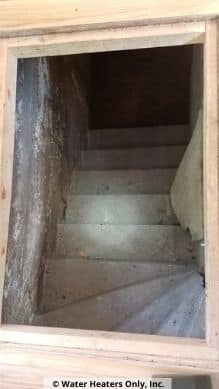
A scary stair way to see the water heater
“I have to go down there?”
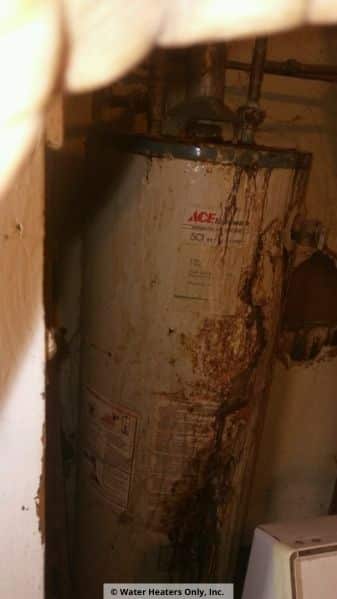
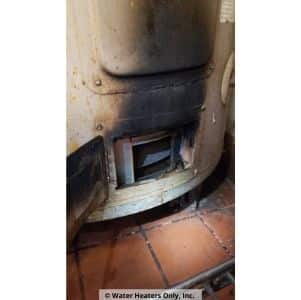
File these under: “I think we found the problem!”
This water heater needs to be replaced. Look at the rust!

The spider webs on the way to this water heater are wild.
“No, YOU out your hand back there!”

So there you have it. Just another small sample of the truly terrifying situations our technicians have to deal with from time to time. We hope you have enjoyed this edition of Halloween Horror Stories, but before we go, we would like to remind you that Halloween is not only the time for spooks and frights, it is also the time when the air turns cold and so does the ground water feeding your water heater. This can lead to water heater issues, especially if your water heater is old or if it is already struggling due to the amount of sediment that has collected in it. Basically, when the water coming into your water heater gets colder, the water heater has to work harder to bring the water up to temperature. Here are a few winter water heater tips to help with this situation:

  • Turn up your thermostat a few degrees. If you do that, make sure you check the temperature at a faucet to make sure it isn’t so hot that someone may get scalded. Also, never turn it up past 140 degrees F.
  • Make sure that the hot and cold pipes attached to your water heater are insulated. You should also consider having any pipes that are under the house to be insulated as well.
  • If you haven’t done so recently, you may consider flushing your water heater to remove the sediment that can accumulate in the water heater. If there is too much sediment, the water heater will have to work harder to heat the water and there will not be as much room in the water heater for the hot water, potentially leaving you at risk of running out of hot water sooner than expected.
  • If your water heater is located in the garage or in an outside shed or closet, check that there aren’t any drafts that could make the ambient air colder than it has to be.

If you have questions about any of these recommendations, please feel free to call us 833-379-8800 24 hours a day, 7 days a week to talk to one of our water heater experts. They can answer any questions you may have or even set up an appointment for one of our technicians to come out and inspect your water heater for you. Until next year, Happy Halloween!


Water Heater Tips

Water Heater Tips

Winter Water Heater Tips, Tricks & Solutions

Are you not getting enough hot water from your water heater?

Have you noticed that recently your water isn’t as hot as it used to be?

Maybe it’s time to turn up the temperature on your water heater. It is common when winter comes along to start to run out of hot water or notice you don’t have as muchhot water as you used to. 

When the ground temperature changes and gets colder the incoming cold water temperature also gets colder and most water heaters have to work a little harder to heat up your water. Once the water is hot and you start to use it, the cold water coming into the tank mixes with the hot water and your hot water cools down. This is especially true when you have an older water heater that has sediment build up. The sediment will leech the heat out of the water quickly. Most people also enjoy a longer hot shower in the winter months, due to the colder temperatures. There is a simple answer when you want hotter water during the winter months. Check where the thermostat on your water heater is set and turn up the temperature.

For gas water heaters the thermostat is the small box sticking out of the front of the water heater, you will notice there is a red dial and maybe a button or two. You will notice a notch and then “A” “B” and “C” settings. If your water heater is set to the recommended 120 degree setting (small white notch on the front dial), you can turn the temperature up slightly to 125 or 130 and you should notice a big difference – just beware of hot water scalding, especially if there are children or seniors in the home who skin is more sensitive and easy to burn. Run a test about 1/2 hour later and see if your water is hotter. Once you have tested the water temperature and you are satisfied you can enjoy hot water all winter long. Try to set a reminder to turn the temperature down again in the spring or like our Facebook page and we will remind you when spring comes along, you’ll get our valuable water heater tips and tricks all year long!.

For electric water heaters you will have to remove the small top panel with a screwdriver and then turn the temperature dial inside the panel up. Be careful working on the inside of the water heater when the power is on, we recommend you refer to your owners manual for instructions and diagrams. Please contact us at [phone-local] if you have any questions about increasing the temperature off your water heater and enjoy our upcoming winter water heater tips in our monthly blog!