
Finding a Good Fit for a Home’s Hot Water Needs
When an old water heater fails and it’s time to replace it, or a household is getting a water heater installed, many types, models, and sizes are available. The right choice depends on the home and the people living in it, and a water heater that’s a poor fit can lead to higher operating costs or hot water that runs out too quickly. Considering a few key factors before a water heater installation can help narrow the options. This post discusses factors to consider when choosing a water heater to install, including size and household demand, fuel type and energy efficiency, and installation space and code requirements.
Size and Household Demand
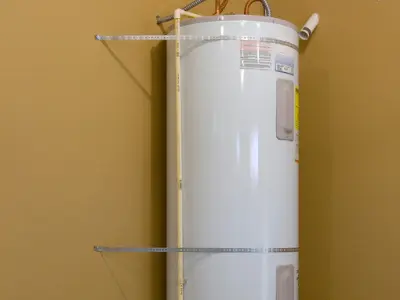 Size is an important factor when choosing a water heater to install. Residential tank water heaters come in a range of sizes, with larger tank sizes available for bigger homes with a greater hot water demand. Typically, a 30–40 gallon tank fits a household of 1–2 people, a 40–50 gallon tank fits 2–3 people, a 50–60 gallon tank fits 3–4 people, and so on.
The first-hour rating on a tank water heater shows how much hot water it can produce in an hour, which also makes it a helpful way to compare models and pick one suited to hot water demand. Tankless water heaters are sized differently, by how many gallons per minute they can heat, so it’s important to choose one that suits the household size and hot water demand. A water heater that is too small can leave the household short on hot water, while one that is too large can cost more to purchase and run than necessary.
Fuel Type and Energy Efficiency
Fuel type is another factor, and it often depends on what the home already has. A gas water heater needs a gas line and venting, while a residential electric water heater typically needs a 240-volt electrical connection. Choosing the same fuel type as the old unit usually keeps the installation simpler and more affordable.
Energy efficiency affects how much the water heater costs to run for years after it is installed. Efficiency ratings vary by water heater type and model, and high-efficiency options such as tankless and heat pump water heaters cost more upfront but lead to lower monthly utility bills because they are more efficient than traditional tank water heaters.
Installation Space and Code Requirements
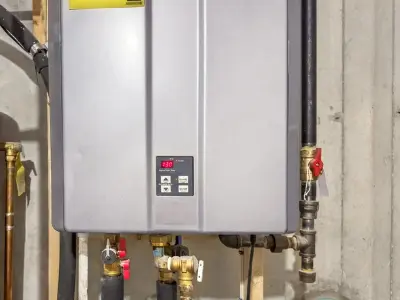 The space where the water heater will be installed may limit which one can fit. A tank water heater needs room for its height and width, plus clearance for service, and larger tanks need more space. A heat pump water heater also needs enough open air around it to work efficiently. A tankless water heater takes up far less room because it doesn’t store water, so it has no large tank and can be mounted on a wall.
Local code requirements also play a role in the installation. Depending on the home, a new water heater may need updated flue venting, a drain pan, a thermal expansion tank, new shutoff valves, or other parts to meet current code. California also requires water heaters to be properly strapped and braced for earthquake safety, and a permit may be required. A professional water heater installation helps ensure the chosen water heater fits the space and meets local code.
About Water Heaters Only, Inc.
Water Heaters Only, Inc. is a water heater company in Sacramento, California, that has been installing water heaters since 1968. They offer quick, friendly service, the lowest prices, and on-time service. Call for water heater installation services in Sacramento, CA.