

Hot Water Recirculating Pumps Explained
Waiting for hot water to reach a distant faucet or shower can waste water and make everyday household activities less convenient. A hot water recirculation pump helps reduce this delay by moving cooled water out of the hot water supply line and returning it to the water heater. Professional hot water recirculation pump installation can help homeowners enjoy faster access to hot water while reducing the amount of water wasted at fixtures. This guide to hot water recirculation pumps covers how a hot water recirculating system works, its benefits, types, and the signs that repair or replacement is needed.
How Does a Hot Water Recirculation System Work?
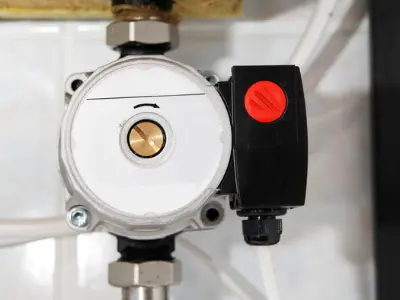 In a conventional plumbing system, hot water cools inside the pipes when fixtures are not being used. When someone opens a hot water faucet, the cooled water must flow out before heated water arrives from the water heater. A hot water recirculation system helps address this delay by circulating water through the plumbing system. Depending on the installation, it may use a dedicated return pipe or a compatible valve arrangement that temporarily uses the cold water line as a return path.
Some operate on a schedule, while others activate using a button, motion sensor, or temperature control. These features allow homeowners to circulate water during periods when hot water is typically needed, rather than running the pump continuously and wasting energy when hot water won’t be needed.
Benefits of a Hot Water Recirculating Pump
 One of the biggest advantages of installing a hot water recirculation system is convenience. Instead of waiting for hot water to travel from the water heater to a distant bathroom or kitchen, homeowners can get hot water faster.
Its advantages include:
- Reduced water waste and costs: Less water goes down the drain while waiting for the desired water temperature, which helps reduce water bills.
- Faster hot water access: Showers, sinks, and other fixtures can receive hot water sooner.
- Improved daily convenience: Homeowners spend less time waiting for hot water during routine activities.
- Flexible operating controls: Timers, sensors, and demand-based controls allow the system to operate around household schedules.
However, recirculation pumps also consume electricity and may increase heat loss from hot water pipes. Demand-controlled systems and properly insulated pipes can help limit these additional energy costs.
Types of Hot Water Recirculation Systems
There are two common approaches to hot water recirculation: systems with dedicated return lines and systems that use an existing cold water line.
Dedicated return-line systems circulate water through a separate pipe back to the water heater. These systems are commonly considered during new construction or major plumbing renovations when adding a return line is more practical.
Retrofit recirculation systems can use a compatible valve near a distant fixture to return cooled water through the existing cold water line. This arrangement may allow installation without adding extensive new piping, although it can temporarily warm the water in the cold water line.
A water heater professional can evaluate the home’s plumbing layout, fixture distances, and hot water usage to recommend the most appropriate configuration.
Signs a Recirculation Pump Needs Repair or Replacement
Like water heating equipment, recirculation pumps may develop problems over time. Homeowners should pay attention if hot water suddenly takes longer to arrive at fixtures again, the pump makes unfamiliar noises, or water appears to leak around the pump housing or connections.
A malfunctioning timer, sensor, or valve can also interfere with normal circulation. If the pump runs continuously when it should stop, it may waste electricity and increase heat loss. A professional inspection can determine whether the issue requires a minor adjustment, a hot water recirculation pump repair, or a complete replacement.
About Water Heaters Only, Inc.
Water Heaters Only, Inc. is a licensed and insured water heater company serving Phoenix, AZ, and surrounding communities since 1968. They offer upfront pricing, same-day service, and on-time service. Call them today for hot water recirculating pump installation and repair in Phoenix, AZ.