
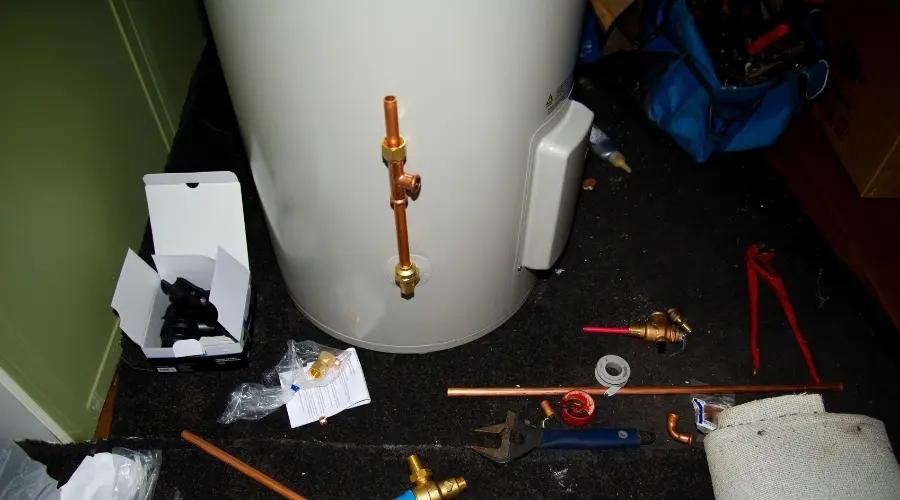
Planning a Water Heater Replacement
Every water heater reaches a point where a repair is no longer the better option. Knowing what a water heater replacement involves makes the decision easier when the time comes, and it helps a household get the right unit installed. This post covers water heater replacement, including signs a replacement is needed, how to choose a new unit, and what to expect during the installation.
When a Water Heater Replacement Is Needed
 Age is the first consideration when deciding whether to repair or replace a water heater. A tank water heater that has been in service for more than a decade is nearing the end of its useful life, and problems that appear at that point are a reason to consider replacement rather than another repair.
Repair history and cost are other factors to consider. When a unit has required multiple repairs in a short span, the cost of continuing to repair it can start to approach the cost of replacing it. Additionally, if an aging unit requires a costly repair, replacing it with a new, more energy-efficient model may be the more cost-effective choice.
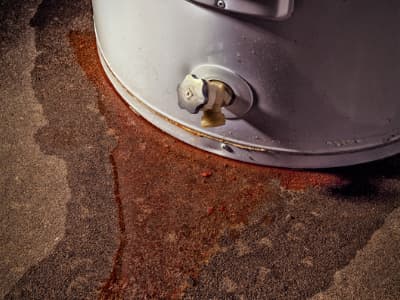
Corrosion and leaks are also signs to replace a water heater. A corroded water heater or a water heater leaking from its tank and base should be replaced as soon as possible rather than repaired. A professional can inspect the water heater and explain whether repair or replacement is the better solution.
How to Choose a New Water Heater
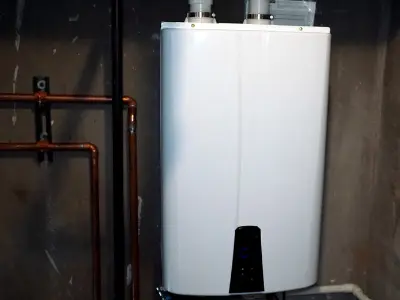 Choosing a type of water heater to install as a replacement is a crucial part of the replacement process. A standard tank water heater has the lowest up-front cost but is the least energy-efficient. A tankless water heater heats water on demand instead of storing it, takes up less space, is more energy-efficient, and lasts longer. A heat pump water heater is the most energy-efficient of the three options, so it will have the lowest operating costs.
Fuel type also factors into the replacement decision. A gas water heater generally heats water faster and costs less to operate where natural gas is inexpensive, while an electric model has no combustion or venting to account for during installation and fewer safety concerns. The fuel type for the water heater already installed in the home is the practical starting point, since existing gas, electrical, and venting connections affect the installation cost.
What to Expect During the Replacement
A water heater replacement starts with shutting off the water and the gas or electricity to the unit, draining the tank, and removing the old water heater. The new unit is then set in place, connected, and filled before it is tested. Most standard replacements of the same water heater type and fuel type are completed quickly.
Gas and electric models differ in what the installation involves. A gas water heater must connect to the gas supply and vent safely, and it must meet combustion air and flue requirements. An electric model has no venting, but it needs a circuit with the right capacity, and a heat pump unit needs a condensate drain and clearance for airflow. Switching fuel types adds work to the installation. Going from gas to electric means running new electrical to the unit, capping the gas line, and properly handling the old venting. Switching to gas means bringing in a gas line and adding venting where there was none. Either conversion takes longer and costs more than a straight replacement with the same fuel type.
Code requirements apply to everything. Venting, expansion tanks, drain pans, and connection materials must meet local requirements, and a permit may be needed for work depending on the area. A professional water heater installation includes these items, pulls the permit when required, hauls away the old unit, and confirms the new water heater is operating correctly before the visit is complete.
About Water Heaters Only, Inc.
Water Heaters Only, Inc. is a full-service water heater company in Phoenix, AZ, serving residential and commercial customers since 1968. They offer financing options, in-home estimates with pricing quoted before work begins, and expert customer service. Call for water heater replacement in Phoenix, AZ.