

Heat Pump Water Heaters Explained
As people increasingly look for ways to improve energy efficiency and reduce utility bills, heat pump water heaters have emerged as a beneficial option for water heating. However, before committing to an upgrade, it is important to understand how they work and consider their unique installation requirements and advantages.
How They Work and Their Space Requirements
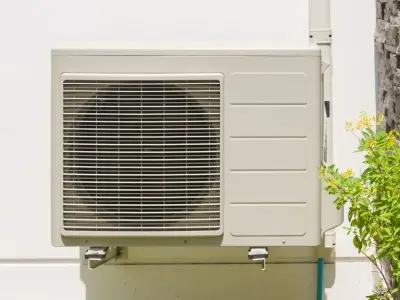
The fundamental difference between a heat pump water heater and a traditional electric water heater is how they source heat. While traditional water heaters use electrical resistance to generate heat, a heat pump unit operates like a refrigerator in reverse, pulling heat from the surrounding air and transferring it to the water tank.
Because a heat pump water heater relies on ambient air, it requires more space around it, typically around 1,000 cubic feet. If a unit is installed in a space that is too small or lacks proper ventilation, it will quickly exhaust the available heat in the air, forcing the system to work harder or switch to less efficient backup heating modes.
Types of Heat Pump Water Heaters
Benefits of Switching to a Heat Pump Water Heater

Furthermore, heat pump water heaters can provide unique operational benefits, such as dehumidification, which may improve comfort and make the space feel cooler. Additionally, these systems offer safety advantages, as their electric operation eliminates risks associated with gas water heaters, such as carbon monoxide and gas leaks.
Infrastructure and Incentives
Switching to a heat pump water heating system may require updates to a property’s electrical setup and water heater infrastructure, particularly if transitioning from a gas-powered unit. However, even when switching from a traditional electric model, there may still need to be updates to the existing wiring. It’s essential to leave a heat pump water heater installation to professionals to ensure safe, efficient operation.
While installing a heat pump water heater has a larger installation cost, there are financial incentives that can offset it. Federal, state, and local initiatives offer rebates and tax credits for installing a heat pump water heater, which can save people money. Additionally, they are more energy efficient, leading to lower monthly energy bills and long-term savings.
About Water Heaters Only, Inc.
Water Heaters Only, Inc. is a full-service residential and commercial water heater company serving the San Diego area and surrounding communities. They provide quick, friendly service, the lowest prices, and trusted technicians. Call for heat pump water heater installation in San Diego, CA.