
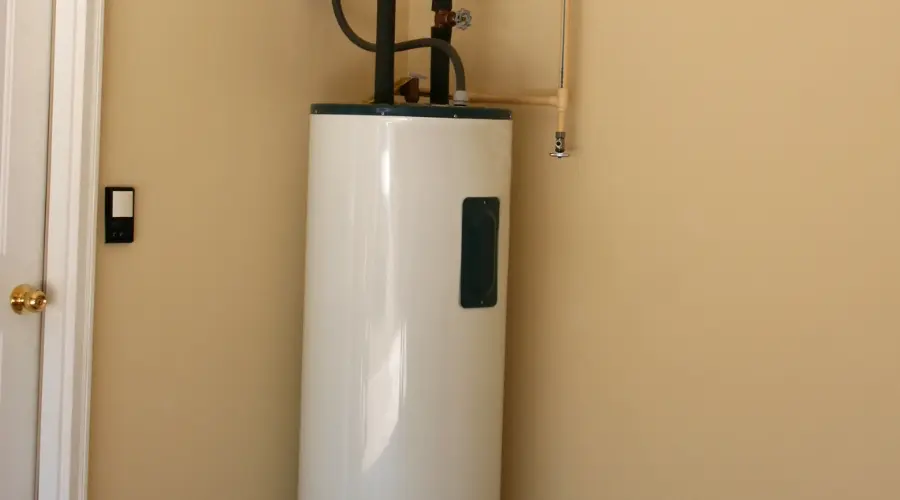
Important Water Heater Replacement Basics
Replacing a water heating system and installing a new one is a significant decision that can affect daily comfort and operating costs. While many people wait until a complete system failure occurs, proactive water heater replacement can prevent the stress of sudden breakdowns that leave homes and businesses without hot water and allow property owners to explore modern, energy-efficient options that better suit their needs. This guide to water heater replacements discusses signs that replacement is needed, the benefits of replacing an aging water heater, and considerations when selecting a replacement.
Common Signs to Replace a Water Heater
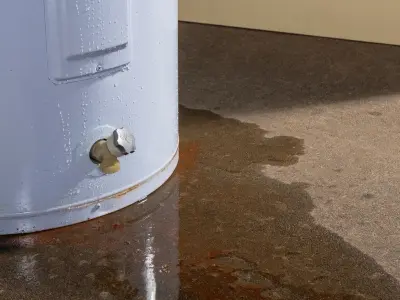
Visible rust or corrosion on the hot water tank, or signs of a corroded water heater, such as discolored or rust-colored hot water or a metallic smell, are also clear signs that it needs to be replaced. Additionally, if a water heater requires frequent or increasingly expensive repairs, the cumulative cost of these repairs may soon exceed the cost of installing a new, more reliable and efficient water heater, making replacement the most cost-effective solution.
The Benefits of Replacing an Old Water Heater
Replacing an old water heater with a new one can offer some significant advantages. Not only are newer water heaters designed for better energy efficiency than older models, but water heaters also lose efficiency with age. So, replacing an old, inefficient water heater with a new, more energy-efficient model can significantly lower monthly water heating costs.
Beyond utility bill savings, a new water heater installation restores the peace of mind that comes with a reliable, new unit, without the wear and tear associated with older ones, reducing the risk of unexpected problems, breakdowns, and cold showers, and providing a more reliable and consistent hot water supply. Additionally, newer models often offer more advanced capabilities, such as faster hot water recovery.
Considerations for Choosing a Replacement Model
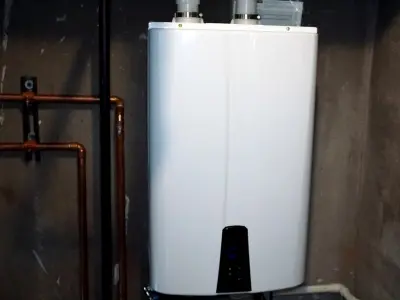
Not only are there different types of water heaters to choose from, including traditional storage water heaters and more energy-efficient options such as tankless or heat pump water heaters, but there are also different fuel types to consider, whether gas or electric.
Tankless water heater models are much smaller and wall-mounted, which frees up valuable space and is ideal for those with limited square footage and lower hot water demand. Tank water heaters take up more space due to the large hot water tank and can be beneficial for those who use a larger amount of hot water.
It is also essential to consider the existing infrastructure. For example, switching from an electric to a gas water heater will require additional work and costs, as it will need an exhaust flue or venting system, as well as gas lines and hookups. Consulting with a professional can help determine the ideal system and fuel type for the space and its needs.
About Water Heaters Only, Inc.
Water Heaters Only, Inc. is a full-service water heater company serving the Los Angeles area and surrounding communities. They provide the lowest prices, quick, friendly service, and are licensed and insured. Call for water heater replacement services in Los Angeles, CA.