Don’t Run Junk Miles


Don’t Run Junk Miles

‘Junk Miles’ is a slang term used within the running industry referring to running the same distance, with the same intensity and effort, day in and day out. Don’t get me wrong, running is running, and any running is better than not running at all. To get the most out of your runs and to make your runs more beneficial both physically and mentally, you need variety. Variety works the muscles and cardiovascular system in different ways and allows them to grow stronger increasing endurance, stamina and decreasing the likelihood of injury.

Creating structured workouts is one way to accomplish this. This is something a running coach will prepare for his runners in order to add variety.  With an understanding of the basics and a few tried and true workout templates to guide you, anybody can create their own unique structured workouts. Before starting any workout, you should always warm up with a walk or slow jog followed by a regiment of dynamic stretches. Warming up increases the blood flow to the muscles reducing the likelihood of injury, improves the range of motion for your joints and has been shown to increase endurance.

Every runner should have at least a few structured workouts in their arsenal to mix things up out on the trail. Here are some ideas to get you started:

  • Long Run– Many runners do one long run per week. This is a slow, very easy pace, longer distance run and has been proven to build endurance. This run should be slow enough that you could comfortably have a conversation while running.
  • Intervals– This structured workout is an alternate of high intensity periods/intervals with low intensity rest periods. Intervals are designed to push you, during the high intensity period you should be fatigued and short of breath and during the rest period your body is recovering. Changing the duration or distance of each high and low intensity interval can result in an infinite number of varying workouts.
  • Hill Repeats– Similar to intervals, the key here is a high intensity period (running up the hill) followed by a low intensity period (running down the hill). We simply find a hill and we run up and down it repeatedly for a predetermined number of laps. Again, fully customizable depending on the length, the slope of the hill and the number of laps.
  • Negative splits– Short for negative split times, as the run progresses your split times (the time it takes to run a specific distance) should be decreasing. In effect, this means you start the run slower and build speed through the workout to finish with your fastest pace. Many runners use this technique during races; Conserve your energy through the first half of the race then finish strong.

There are countless other structured workouts out there, and most are customizable to your particular needs and goals. It’s important after a workout to have an adequate cool down period as well, finish with a slow jog or walk followed by some static stretches. Static stretching will elongate your muscles reducing soreness and speeding up recovery.

As with any physical exercise, it’s recommended to follow a hard workout with a rest day to allow your body to heal. Many runners plan their workouts for every other day. Those runners that want to run every single day simply add some easy ‘Junk Miles’ on their rest days.

Is your water heater running? If not, we can get it running! Give us a call at 833-379-8800

*Always consult your physician before beginning any exercise program.

HALLOWEEN HORROR STORIES 2020

HALLOWEEN HORROR STORIES 2020

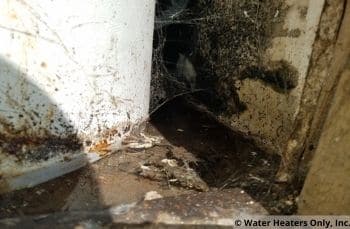
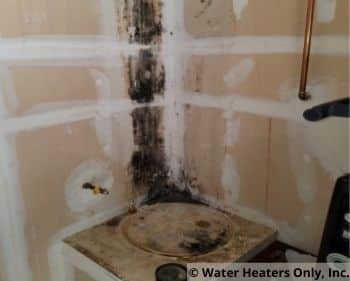
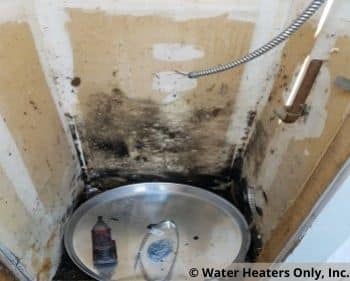
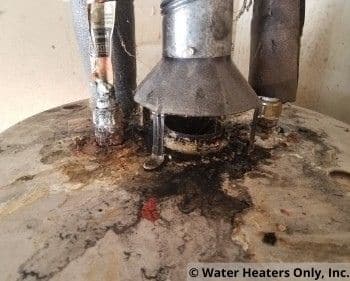
It’s that time of year again where we share pictures of some of the truly terrifying that our techs have encountered. Whether it’s mold gone wild or water heaters that are just in very bad shape (to say the least!), here are a few of the pictures that our techs out in the field have shared with us:

Black Mold

Spooky spiderwebs on this water heater replacement
Mold, gook and spider webs…Oh my!

Water damage is no joke and it’s something we deal with from time to time here at Water Heaters Only, Inc. As is often the case, water heaters can be located in areas that people don’t think to check very often, so when a leak starts it may be a long time before it’s noted, especially if the water heater is still working. (For more information about water heaters, to set up a service call or to find out about an annual maintenance program for your water heater, go to our website here. This can lead to damage to the wall, the floor and even any items that may be nearby, whether the water heater is in a closet or in the garage. But the scariest result can be the buildup of mold. When that happens, professional restoration companies are called in to get the area cleaned up so that it is not a danger to anybody in the residence. Here are a few pictures of some of the moldy situations we find ourselves in:

Dead On Arrival or D.O.A

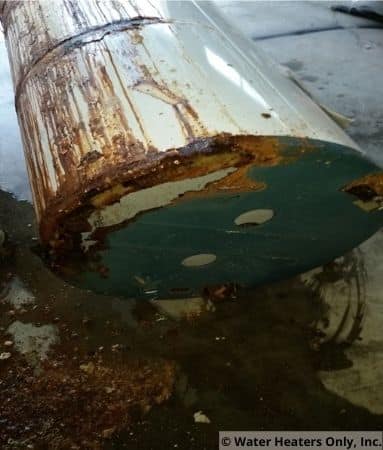
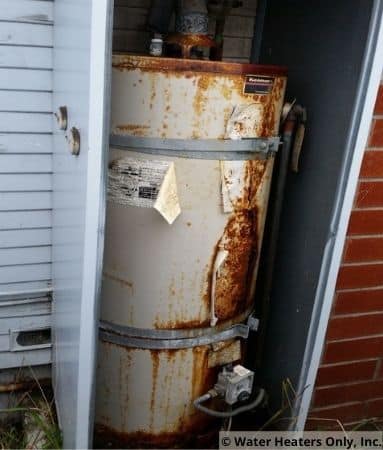
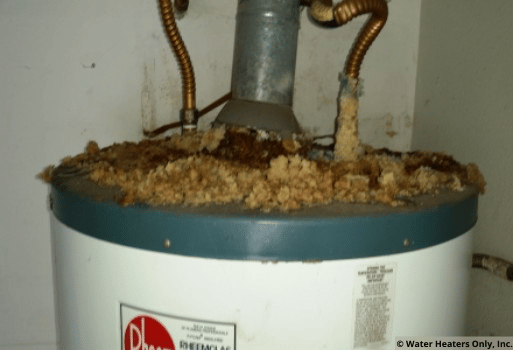
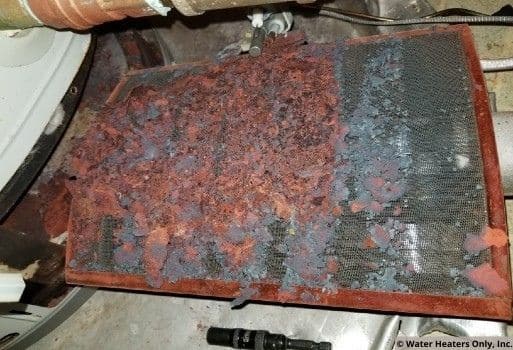
Sometimes we get to a job only to find the water heater is beyond repair. No one loves having to replace a water heater, but when you see these photos below, you’ll understand:

“I Think We Found The Problem!”

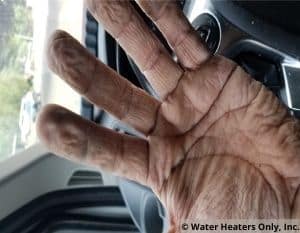
And finally, the effects of wearing a glove all day:

Wrinkly Hand ©

So there you have it. Another look at some of things we see while out getting people hot water. Before we go, however, we would like to remind you that the weather is getting colder and that means that many water heaters will be working harder to bring you hot water. This could lead to a water heater failure and you’ve seen what kind of trouble that can cause. Give us a call if you think your water heater may be in need of a repair or replacement. You don’t want to wait until it is too late or it could be your water heater that is featured in next year’s post. In the meantime, stay safe and Happy Halloween!

Is your old water heater making your life a cold wet nightmare? Give us a call 24/7 at 833-379-8800

Nutrition for Runners

Nutrition for Runners

Nutrition for runners is not just for elite athletes. Runners of any skill level will benefit significantly by understanding that your dietary intake will have a major impact on performance, endurance and recovery. Of course, everyone has unique nutritional needs, and every sport or activity will require different nutritional criteria. A 100-yard-dash runner will have a vastly different diet than a marathon runner, but the basic concepts of nutrition apply across the board; what to eat and when to eat it.

What To Eat

Your diet should primarily consist of carbohydrates, proteins, fats and water. A general rule of thumb to shoot for is a diet comprised of 60% carbohydrates (carbs), 20% protein and 20% fats. Hydration is also a critical factor in regulating body temperature and maintaining normal bodily functions.

  • Carbs, more specifically complex carbs, such as pasta, potatoes and whole grains are considered the ‘fuel’ for your body. Complex carbs supply a slow, steady release of ‘fuel’ for sustained energy.
  • Proteins are essential for muscle and tendon repair and aid in
  • recovery after a workout. There are many different types of protein, in this application lean, low fat protein such as chicken, eggs, fish and nuts are preferred.
  • Fats…wait, wait, wait, it’s not what you think, some fats (unsaturated fats) are considered good fats. Avocados, olive oil, canola oil and flax seed oil all contain unsaturated fats. These good fats work as an additional energy source, increasing endurance.
  • Hydration- For runners 2 liters daily in addition to the water content you get from food is a good starting point. Water, fruit juices and sports drinks are excellent for hydration, but beware alcohol and caffeine can actually dehydrate you. During physical activity your body will burn both carbs and fats. By having a fair amount of good fats in your diet, you will prolong the amount of time it takes to deplete your carbohydrate stores, i.e. how long it takes before you run out of energy.

When To Eat

It’s not only important to eat foods that are good for you, it’s equally important to eat those foods at the appropriate times in order to maximize

the benefits. Particularly we want to be aware of the food and water we

consume before, during and after a workout.

  • 2-3 hours before a run you should have a light meal or
  • You could have a light snack 1 hour ahead with a focus on carbs and a moderate amount of protein that will be easily converted to energy
  • Limit the fats and fiber before a run as these slow the digestive  process
  • Drink 6-12 ounces of water 30 to 60 minutes before a run to pre-hydrate

Optimum Performance

During a run you want to replenish the fluids lost due to sweat, and sipping water or a sports drink occasionally will do the trick. Some runners also use energy gels during their run for increased energy. These energy gels or energy shots are simple carbohydrates, designed to be quickly digestible for fast energy. Those with a sweet tooth will enjoy these as they are pretty much pure sugar with enticing flavors. Within 30 minutes of completing your workout you need to immediately begin refilling your carb and protein stores. This is a critical window for your depleted body, as nutrients are readily absorbed at this time. Many runners prefer chocolate milk here, as it contains the perfect ratio (3:1) of carbs to protein for optimum recovery. 1-2 hours after a run you should continue to hydrate and eat a well-balanced meal with a priority on protein and carbs: salmon and rice, meatballs and pasta, steak and potatoes, etc.

Understanding the role that proteins, carbohydrates, fats and water plays in running and exercise will give you a significant advantage. Whether you are an elite athlete, a recreational runner, or someone who just wants to hit the trail every now and then, properly preparing nutritionally is the key to making the experience enjoyable. If your water heater isn’t providing enough hot water after a long run, give us a call at 833-379-8800

Journey Into The World Of Running

Journey Into The World Of Running: Catching up with Nate


About seven years ago, for a multitude of reasons, I made the decision to get healthy. I began my journey into the world of running. As a child I ran cross country in school, seemed to remember enjoying it, and decided this will be the vehicle to get me back into shape.


Start Where You Are

Pretending I was a kid again, I ran like the wind. The next day when reality caught up with me, I was limping around with overuse injuries and could barely walk. At this point, I made two decisions: one, I need to get healthier and two, I will run again if it’s the last thing I do. As I found out, there are a couple disadvantages to running, but most health experts say the health benefits greatly outweigh the risk when done properly. 


The short list of benefits includes:

  • improved heart health 
  • strengthens muscles and bones
  • increases metabolism (weight loss) 
  • improves the immune system
  • helps you sleep better
  • improves cognitive function and reduces cognitive decline 
  • lowers blood pressure 
  • improves mental health 
  • reduces depression
  • increases longevity


Keep Moving Forward

I joined a walking group to assist in my transition to running. For a couple months, I walked twice a week, for three to five miles per day until I felt my muscles, bones, tendons and ligaments were strong enough to try running again. At this time I found a recreational running group. 

I highly recommend anyone interested in beginning to run join a running group. A running group 

will support you and be your accountability partner to keep you motivated. There is usually a leader or coach who can show you proper technique and best practices, including proper footwear, apparel, diet and hydration to keep you injury free.


Taking Care of Body & Mind

For the first few months of running, I did have to work through a couple very minor injuries as my body grew stronger and acclimated to the added workload. But eventually It became the new normal: I felt great, had more energy during the day and slept well every night, my body started craving healthy food, and I had just a slightly different view of life, maybe a little more optimistic. Oh yeah, and I now catch myself taking two stairs at a time instead of one and am not out of breath when I reach the top of the stairs.


The Lifetime Rewards

Running can be a rewarding journey to well-being. Start slow and get direction from seasoned runners to set you off on your path. Whether your goal is to get healthy, lose weight, be part of a team and meet new people, compete or just to go see new places you otherwise might not see, running is a journey that could last a lifetime…one mile at a time.

On a side note, if your water heater isn’t RUNNING properly, give us a call at 833-379-8800. We know how to get it running 🙂

The Dangers of Mixing Household Chemicals 

The Dangers of Mixing Household Chemicals 


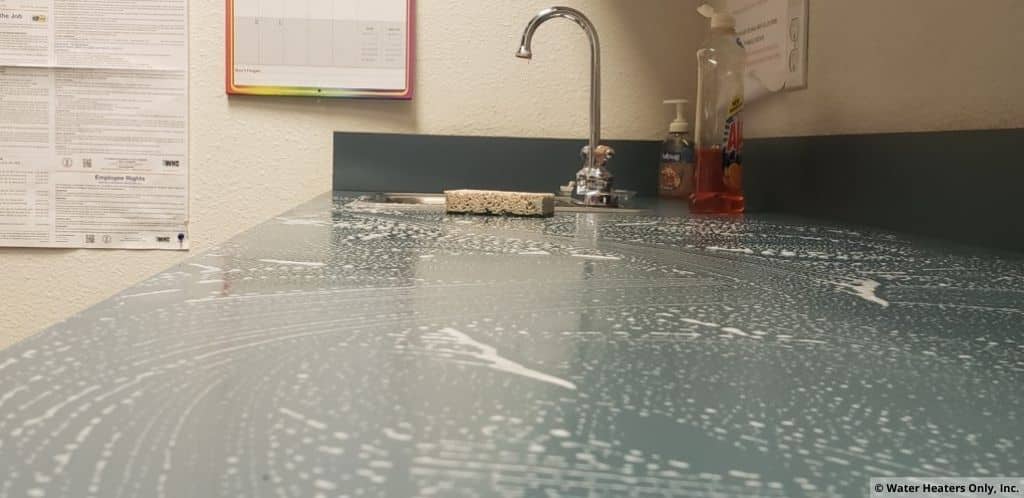
Now more than ever, utilizing hot water and household cleaners to protect your home is very important for the safety of your family. With the rise in household cleaning products usage, we need to be aware of the dangers that can arise when cleaning our homes and work spaces.

While this may be common knowledge (at least we hope that it is!), it is worth repeating that there are common household cleaners that should never be mixed. That’s because when certain cleaners are combined, they can produce very toxic chemicals that can cause serious injury. Keep reading to learn which common household cleaners and chemicals should never be mixed.  


Never Mix Ammonia and Bleach

These two cleaners are probably two of the most common found in just about every household. Using one by itself, can be effective in killing bacteria and viruses. However, when combined, these two chemicals form chlorine gas, which can cause chest pain, coughing and, in some cases, even death. 

Example: Windex is ammonia based and Comet contains bleach – these two chemicals should not be stored together.


Never Combine Bleach and Vinegar

Much like ammonia and bleach, mixing bleach with vinegar, which is an acid, can also produce chlorine gas. Just to give you an idea of how harmful this can be, this particular mixture was used way back in WWI and can result in damage to your eyes, nose and lungs.

Example: Mrs Meyer’s, Cleaner Vinegar No Rinse Lemon Verbena and Clorox Bleach should not be mixed or stored in the same location.


Hydrogen Peroxide and Vinegar- A dangerous combination

When these two are mixed, they form a chemical known as peracetic acid, which can be toxic and corrosive to many surfaces, including your skin. 

Example: Lysol Bleach Free Hydrogen Peroxide Bathroom Cleaner Spray and Heinz Cleaning Vinegar are not good storage companions.


Don’t Mix Bleach and Rubbing Alcohol

Bleach mixed with rubbing alcohol can produce chloroform and chloroacetone, both of which are toxic and dangerous. Chloroform in particular can cause unconsciousness and chloroacetone has been used as tear gas. 

Example: Lysol All Purpose Cleaner Spray and your everyday rubbing alcohol are also another good example of two products that should never be mixed.


Safety First- Best Practices

  • Always read the labels of your cleaning products before use, to keep you and your family safe.
  • Handle cleaning products safely by following the manufacturer’s directions
  • Be sure to rinse cleaned surfaces with plenty of hot water

 If you ever combine household chemicals accidentally or think you have breathed, touched or ingested these products contact the Poison Control Center at 1-800-222-1222

Speaking of cleaners, we should mention that plenty of other cleaning products contain these ingredients, so always check the label if you are thinking of combining any cleaning products. For example, you should never mix two different types of drain cleaners together and never mix bleach with any other product such as a toilet bowl cleaner. The combination may prove to be harmful and, again, possibly even deadly.  

We understand the urge to create the perfect cleaner, but combining cleaning products just doesn’t make sense. Use each one individually, as directed. 

We hope this has been helpful, and although this may not be a complete list, please take the time to further educate yourself about the potential harmful effects of mixing cleaners and other various chemicals. Eliminating bacteria and viruses such as Coronavirus, should be done with your family’s safety in mind. 

Water Heaters and Chemical Safety

Finally, a word about water heaters because that’s what we do: We have mentioned time and again that you should never store anything next to your water heater and that includes chemicals. Certain chemicals can be highly flammable and though most water heaters are now made with sealed combustion chambers, it’s never worth the risk, so always store any chemicals away from your water heater. 

Keep your family safe and your home clean by following a few simple safety guidelines given with each product and always store chemicals away from your water heater.  


IT’S TIME FOR SPRING CLEANING

SPRING CLEANING

Spring is here and that means it’s time for Spring Cleaning! It may not be fun but it feels good when it’s done and it is necessary after a long winter in and especially with all the time most people have spent inside recently. Of course, everyone knows how to deep clean their homes but not everyone thinks of cleaning the outside. So we have a few ideas for cleaning that you may not think of and that can really add some sparkle to your home.

PRESSURE WASHING

Not everyone has a pressure washer, but you can rent one for relatively cheap and it is a great way to clean off areas that may get neglected. Here a few areas that can look much better after a good pressure washing:

  • Driveways
  • Patios and decks
  • The outside walls of your home

As with any tool, make sure to read the directions before use and know that not everything can be pressure washed including electrical light fixtures. Also, know that there is pressure washing and power washing. The difference is that power washing uses heat as well to really help deep clean. Power washing is good for cleaning driveways and cement walkways.

PAINTING

After a good deep cleaning with the pressure washer, nothing helps perk up the outside of your house like a new coat of paint. We know that painting the outside of your home can be a major chore, but most experts recommend repainting your home every 4-6 years depending on where you live. That may not always be feasible, but if it’s been more than 10 years you may want to consider it.

However, if repainting your home is just too big of a task right now, consider other areas that may be in need of a touch up. After pressure washing your deck, it would be a good time to sand it down and add a new coat of weather-resistant paint or stain. Also, consider your formerly white picket fence that is looking a little worse for wear. A cleaned up and freshly painted fence can really make your whole home look brighter.

LANDSCAPING

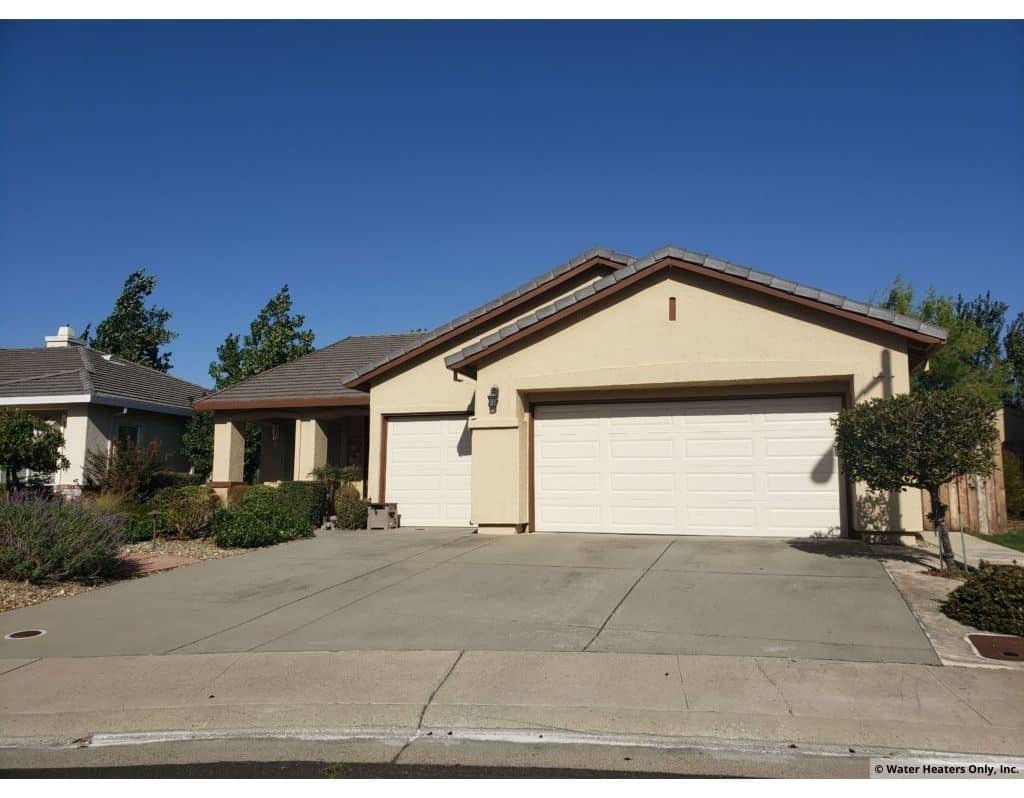
Okay, this may not officially be cleaning, but it’s close and a well-maintained yard just feels and looks nice. And we’re not just talking about mowing the lawn or whacking the weeds, either. Consider adding a water fountain or some new plants that may help to create a nice sitting area. Remember to also find plants that are suited for the climate you live in so that they have the best chance to survive. Maybe add some solar lights along a path or just place some throughout the yard. Trim those crazy long branches and make sure your hedges look good, too. All of these will help make your yard look better and really add some style and “Wow” factor to your home (see top photo for proof).

Hopefully, these outside spring cleaning ideas will help give your home a nice touch-up. Of course, we’re not suggesting you ignore the inside of your home. And while we’re at it, don’t forget about your water heater because we didn’t! We are Water Heaters Only, Inc., so it makes sense that we would mention the water heater. Spring cleaning is a good time to make sure your water heater is clean as well. Check it for dust and rust and also take a moment to check for any small leaks that may have gone unnoticed. Now is also a good time to make sure that there isn’t a bunch of stuff piled up too close to the water heater. This can affect its performance and even be a fire hazard depending on what is stored by it. A three foot clearance is a good start. For more water heater tips, check out our blog here. If you have any other questions about your water heater, don’t hesitate to give us a call 24/7/365. Happy Spring Cleaning!

Interested in learning how to flush your water heater? Click here to learn more about water heater maintenance, or give us a call at [phone-local]

MISDIAGNOSING WATER HEATER ISSUES

MISDIAGNOSING WATER HEATER ISSUES

It is often easy to tell when a water heater needs to be repaired but there are several scenarios that can lead to people misdiagnosing water heater issues. If you don’t have hot water, that’s a good sign the water heater isn’t working, but what may seem like a problem with the water heater issue isn’t always an actual result of a water heater malfunction. This is why we always take a little extra time when someone calls us for water heater service to try and figure out what exactly is going on and whether it is something to do with the water heater or something else. In this blog, we are going to discuss several different examples of situations where it seems like the water heater is the problem but it actually isn’t.

THE MIXING VALVE

A broken mixing valve on a faucet is probably the number one cause of a water heater misdiagnosis. For those who don’t know, a mixing valve is used to mix the right amount of hot and cold water that comes out of the faucet. If the mixing valve is not working correctly, that could lead to a situation where there is no hot water coming from the valve to the faucet. When that happens, most people assume that the problem is the water heater. One of the things we try to determine when someone calls us for service is whether there is a lack of hot water throughout the entire residence or if it is just from that one specific faucet. If it is just from the one faucet but there is hot water in the rest of the home, then the issue isn’t the water heater. In that case, we will recommend they call a full-service plumber, which can save them time and money.

PLUMBING LEAKS

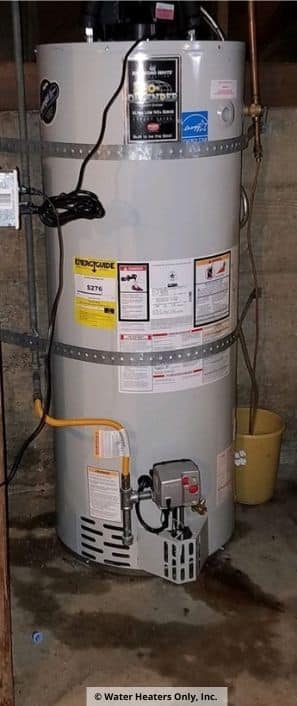
Another issue we run into is when someone calls us because there is a pool of water underneath or nearby the water heater and they naturally assume the problem is the water heater (see above photo). While it is often the case that a pool of water underneath the water heater means it has failed, the water could be coming from a leaky pipe that may be located near the water heater, whether it is in the wall or just located near the water heater. It could even be a slab leak, which is a leak in the foundation of the home. Also, if a pipe is broken somewhere between the water heater and a faucet in the home, that could lead to no hot water coming into the home and again could lead to an improper diagnosis of a water heater that isn’t working. While it is harder to diagnose a problem like this without having one of our technicians go and look at it, we do try to gather as much information as possible beforehand to see if it really is a water heater issue. If the water heater is in a pan, we will ask if there is water in the pan. Also, we may ask the person calling us to look and see where the water is coming from. If they see that the wall behind the water heater is wet, then that may be a sign that it isn’t the water heater that is leaking.

HIGH WATER PRESSURE

One last issue we would like to discuss is a leak resulting from high water pressure. If you are familiar with a water heater’s design, you may know what the temperature and pressure relief valve is and where it is located on the water heater. The temperature and pressure relief valve (or T&P valve) is typically located on the top of the water heater, though it sometimes is on the side of the water heater. It is a copper pipe that either runs into the wall near the water heater or, depending on the local plumbing code, it may simply run either into the pan at the bottom of the water heater or just on to the ground in front of the water heater.

The T&P valve is designed to be a safety valve if the water heater gets too hot or the pressure gets too high. If this happens, water will come out of the T&P valve and this could make a puddle at the bottom of the water heater making it look like the water heater itself is leaking. If this happens, it doesn’t mean the water heater is malfunctioning. In fact, the T&P valve is operating as it should. However, if the water pressure remains too high then a pressure regulator may need to be installed or repaired if there is currently one already in use. A pressure regulator is designed to keep the incoming water pressure at a safe level.

We hope this has been helpful information as we feel that the more people know about their water heater, the better chance they have not misdiagnosing water heater issues. That goes for being able to understand what may be causing a leak and whether you may need your water heater repaired or replaced. Of course, always give us a call if you are not sure and have a question about your water heater.  You can also check out our blog on how to best maintain your water heater. by clicking here. Remember, we are available seven days a week to help you in any way we can so give us a call 24/7/365 at 833-379-8800.

The WATTS 210 Automatic Gas Shutoff Valve

THE WATTS 210 AUTOMATIC GAS SHUTOFF VALVE

In this blog, we will be talking about the Watts 210 automatic gas shutoff valve. Most people have never heard of this valve, so we thought it would be a good idea to explain what it is and what it does to help potentially lessen the damage from a malfunctioning water heater.

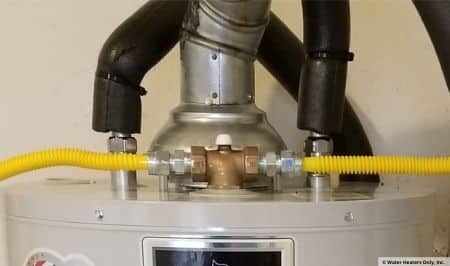
While many are aware of the temperature and pressure relief valve (T&P valve) on their water heater and what it does, the Watts 210 automatic gas shutoff valve isn’t as common and thus isn’t as well known. Basically, the Watts 210 is an immersion-type valve used to protect against overheating water in a water heater. The valve is installed where the T&P would normally be installed on a water heater and it has a thermostat that goes inside the water heater. The gas line is run into the Watts 210 from the gas source and then run from the Watts 210 to the gas control on the water heater.

SO HOW DOES IT WORK?

The Watts 210 is a self-contained device that includes a manual reset button, a trip latch assembly and a thermostat. As we stated earlier, the valve is installed where the T&P valve would normally be installed on the water heater. The thermostat on the valve itself goes into the water heater and is set for 210 degrees. That means that if the temperature of the water in the water heater rises above 210 degrees, the valve shuts off the gas supply to the water heater. This helps to stop the temperature from getting any hotter in the water heater and helps to reduce any further damage to the water heater and possibly even the surrounding area if the water heater failed due to the increased thermal expansion.

As we said, the Watts 210 is installed where the T&P is located and then typically a T&P valve is installed on the cold water line outside of the residence, often right near where an outside faucet may be located. This is done because even though the Watts 210 shuts off the gas, there still needs to be a relief valve located somewhere on the water line to reduce the possibility of damage to the water heater and the water pipes themselves.

At this point, you may be wondering: If the Watts 210 shuts off the gas supply and acts as a T&P, why aren’t they part of a standard installation? The reason is twofold: First, the T&P works just fine as the main source of relief in the case thermal expansion occurs. Second, the part itself is not cheap and involves more labor and time, which can add a substantial amount to a standard water heater installation. The Watts 210 automatic gas shutoff valve is typically used if the T&P line cannot be run to the exterior of the residence as required by many state plumbing codes, especially in California. We often see this when the water heater is located in an inside closet such as in a hallway or the kitchen. In this situation, the water that comes out of the T&P has nowhere to go and can cause water damage if it is a substantial amount of water and goes undetected. In that case, a Watts 210 automatic gas shutoff valve is recommended.

As always, if you have any questions about this subject or your water heater in general, please call us 24 hours a day, seven days a week at 833-379-8800. We are always happy to answer any questions you may have or even schedule an appointment for one of our water heater technicians to come and take a look at your water heater.

“Raising the Bar” 25th annual Cal NARPM Conference

W.H.O. at the 25th annual Cal NARPM Trade Show and Conference

If you follow our blog posts or follow us on social media, then you probably know that we here at Water Heaters Only, Inc. belong to many different organizations and associations. Especially when it comes to connecting with potential clients for our Preferred Client program, these groups provide a great way to network and maybe even have a little fun. That was the case last week when we attended the NARPM California State Chapter 25th annual Conference & Trade Show in Palm Springs, CA. For those who may not know, NARPM is the National Association of Residential Property Managers and we proudly belong to several chapters in both California and Arizona.

Every year the state chapter hosts its annual conference where members can get together and attend seminars to learn about the latest hot topics in the property management world and get out of the office for a few days as well. This year’s theme was “Raising the Bar”. The conference also has a trade show where vendors such as Water Heaters Only, Inc. can give out information, say “Thanks!” to current clients and meet with prospective clients as well.

Most vendors hand out various freebies and even have a raffle prize or two. Of course, we are no different and handed out cuties and chocolate gold coins and raffled off a wonderful handbag, which you can see in the above picture on the left. We also had our Plinko game and people who stopped by had a chance to win some fun prizes!

All in all, it was great time at the Riviera Hotel in Palm Springs. If you are a property manager and are interested in our Preferred Client program, please visit our page here. If you are interested in learning more about NARPM, you can visit this page.

Water Heater Replacement Plumbing Codes

We here at Water Heaters Only, Inc. always make sure we tell our customers that we do all of our jobs “up to code”, but we realize many people don’t always know what that means. The code we are referring to is the California Plumbing Code. If you have ever had to do any major renovation or repair on your home, you likely had to get a permit from the city and that meant you had to follow certain guidelines, or codes, for the work to be done. All incorporated cities have a building inspection and/or code compliance department. If they don’t, then that job will typically fall to the county. Either way, there are codes for just about every type of repair and renovation and that includes water heater plumbing codes.

According to the International Association of Plumbing and Mechanical Officials, the codes “attempt to minimize public risk by specifying technical standards of design, materials, workmanship and maintenance for plumbing systems.” Basically, these codes ensure that all repairs, replacements and installations are safe and effective, whether it’s installing a new bathroom or a water heater. Water Heaters Only makes sure that every one of our technicians are aware of all codes and any recent updates and we make sure to follow these codes as we have been doing now for over 50 years. For a full rundown of the required codes for water heater installations, visit our blog here.

Despite our knowledge of the plumbing codes, we realize that many people aren’t aware of them and so we thought it would be useful to go over some of the plumbing codes in the hopes of educating the public about how and why we go about performing our repairs and installations. However, before we go any further, it should be noted that each city and county can choose to implement these codes in different ways meaning that what is required in one city may not be required in another. It can get a little confusing, which is why it is so important to use a company that is up-to-date on all the latest codes.

CHAPTER 6: WATER SUPPLY AND DISTRIBUTION


PRESSURE REGULATORS

While most of our California Plumbing Code (CPC) blogs will be about information in Chapter 5: Water Heaters (obviously), in this post we will be discussing water pressure and that is covered in Chapter 6, section 608. Just for starters, water pressure is measured in PSI, or pounds per square inch. Whenever we go out to any

a water valve on a water pipe

job whether it is for a repair or an installation, we always check the PSI. This is useful because it can help determine the cause of a problem such as a leak or a water heater failure. According to CPC Section 608.2, whenever water pressure exceeds 80 PSI, a pressure regulator is required if there isn’t already one installed.

A pressure regulator does exactly what it sounds like: it regulates the water pressure in the plumbing. High water pressure can not only damage a home’s plumbing but can also damage a water heater as well. Most homes have one, but not always. If we find a home has water pressure above 80 PSI and there isn’t a pressure regulator, we will always offer to install one. And if there is one but the pressure is still high, we will check to see of the current one has failed. Not only can any water pressure above 80 PSI be detrimental to the water heater and plumbing, it will also void the warranty on most water heaters. For more information about water pressure and pressure regulators, please read our blog here.

EXPANSION TANKS

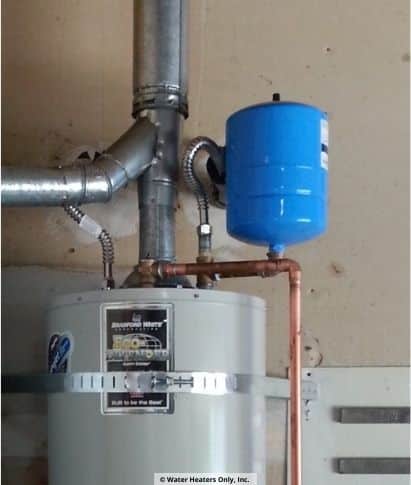
Expansion tanks are an important part of minimizing damage to your water heater and plumbing and they are required in certain situations by the CPC. Basically, an expansion tank is a metal “bottle” that is used to relieve when thermal expansion occurs. The expansion tank had a bladder inside of it and when thermal expansion occurs, the expansion can be relieved temporarily by going into the tank. When the thermal expansion has stopped, the excess water goes back into the plumbing.

a water heater heater with an expansion tank

In the above section about pressure regulators, the CPC states that an expansion tank must be installed when a pressure regulator is installed. That’s because a pressure regulator causes the water to not be able to go back to the city main and is essentially locked into what is known as a “closed loop” plumbing system. It’s a closed loop because the water and thermal expansion, when it occurs, can’t go back to the city’s main water system located outside the home. In Section 608.3, the CPC also states that expansion tank must be installed if there is a check valve, backflow preventer or “other normally closed device that prevents dissipation of building pressure back into the water main”.

PRESSURE RELIEF VALVES

Section 608.3 also mentions the use of pressure relief valves in conjunction with expansion tanks. Not only must an expansion tank be installed when part of a “closed loop system”, there must also be a combination temperature and pressure (T&P) relief valve. For water heaters, these are typically located on the top of the water heater (though not always). Take a look at the picture above if you aren’t sure what the T&P looks like. These relief valves are set to relieve water and pressure after a certain PSI or temperature has been reached. These pressure relief valves need to also have a discharge pipe (Section 608.5), which has its own requirements such as:

  • The discharge pipe should discharge independently by gravity either into the drainage system or to the exterior of the building.
  • It must discharge in such a way that does not cause bodily harm or structural damage.
  • It cannot discharge into a water heater pan.

This is why you will typically see the T&P valve connected to a pipe that runs either alongside the wall to the outside or through the wall where it will be allowed to discharge in a safe place where no one may get hurt.

In conclusion, we hope this has been helpful information. One final note: As we mentioned in the beginning of this blog, each city may decide to implement the plumbing codes differently dependent on the situation. For example, in some areas the city inspector won’t require an expansion tank to be installed as long as there is a working T&P valve present. Also, an inspector may allow a T&P drain line to just discharge to the floor if the water heater is located in the garage. That’s why it’s so important to hire a company that knows the latest codes. For any further questions about water heater plumbing codes or to schedule an appointment with one of our water heater experts, just give us a call 24 hours a day, 7 days a week at 833-379-8800.